Disaster
Water Pollution
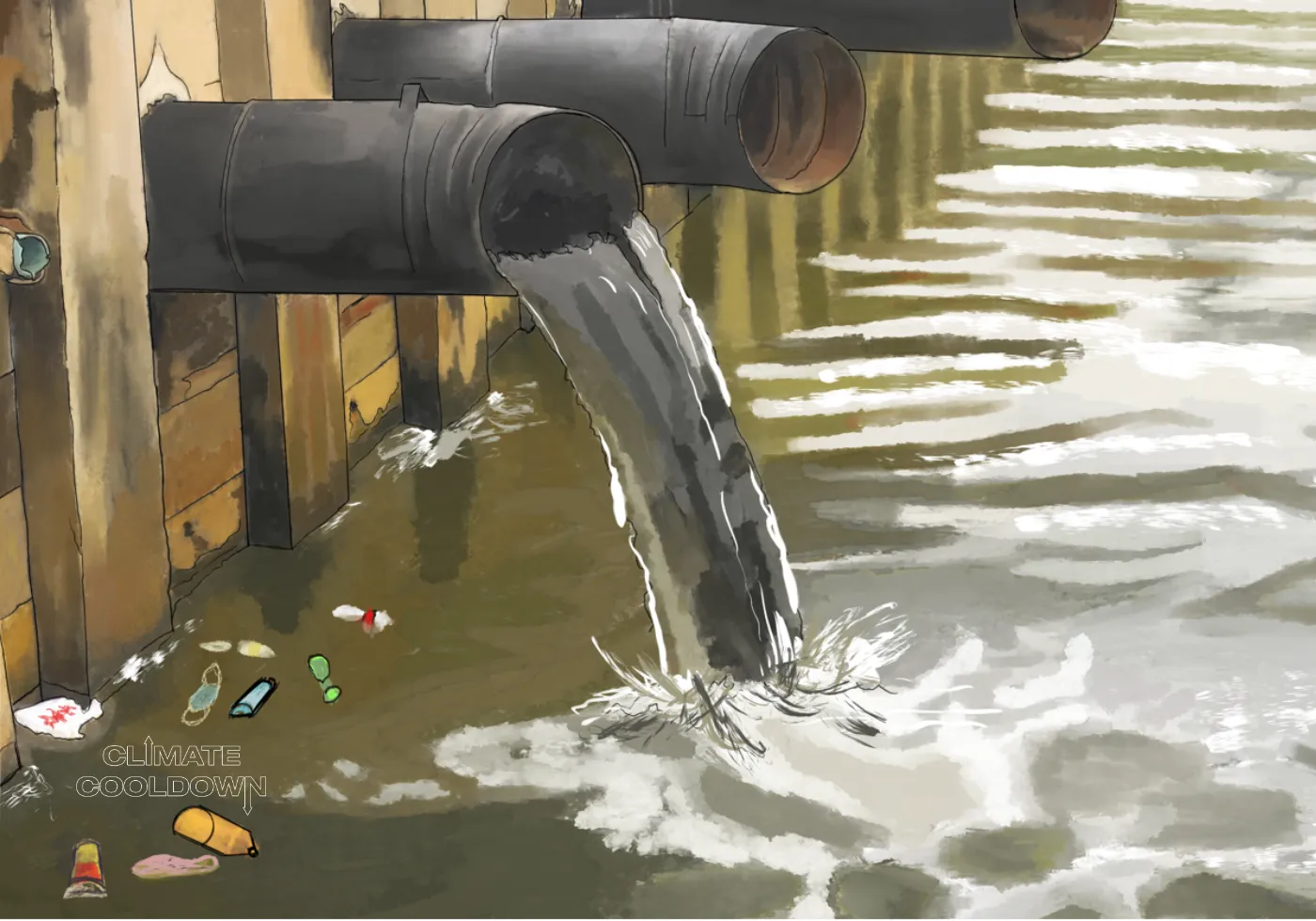
Water pollution poses significant risks to the environment, human health, and economic activities. It disrupts the balance of marine and freshwater ecosystems, leading to declines in fish and plant populations, loss of biodiversity, and the destruction of critical habitats.
In the game
In the game Climate Cooldown, "Water Pollution" is a Disaster card that reduces the amount of water resources we have due to the contamination of our water supply from pollution.
Prospective degrees
Environmental EngineeringEnvironmental Science with a focus on water quality
Careers
Water quality analystEnvironmental remediation technician
For the classroom
Discussion prompts by grade level
- What is water pollution and how does it occur?
- Can you think of any ways to reduce water pollution?
- Describe the sources and types of water pollution, including point-source and nonpoint-source pollution, such as industrial discharge, agricultural runoff, and urban sewage.
- Discuss the environmental impacts of water pollution on aquatic ecosystems, biodiversity, and human health.
- Examine the regulatory frameworks and pollution control measures aimed at preventing and mitigating water pollution, including water quality standards, pollution permits, and watershed management approaches.
- Evaluate the effectiveness of pollution prevention strategies, such as pollution prevention plans, green infrastructure, and ecosystem restoration projects.
- Critically analyze the socio-economic and political dimensions of water pollution, including environmental justice issues, regulatory enforcement, and stakeholder participation in decision-making processes.
- Discuss innovative technologies and policy instruments for addressing emerging contaminants, nutrient pollution, and transboundary water pollution challenges in a globalized world.
Connects to