Cooldown
Vertical Farming
Vertical farming is a modern agriculture method where crops are grown in stacked layers, aiming to optimize space and resources while reducing environmental impact.
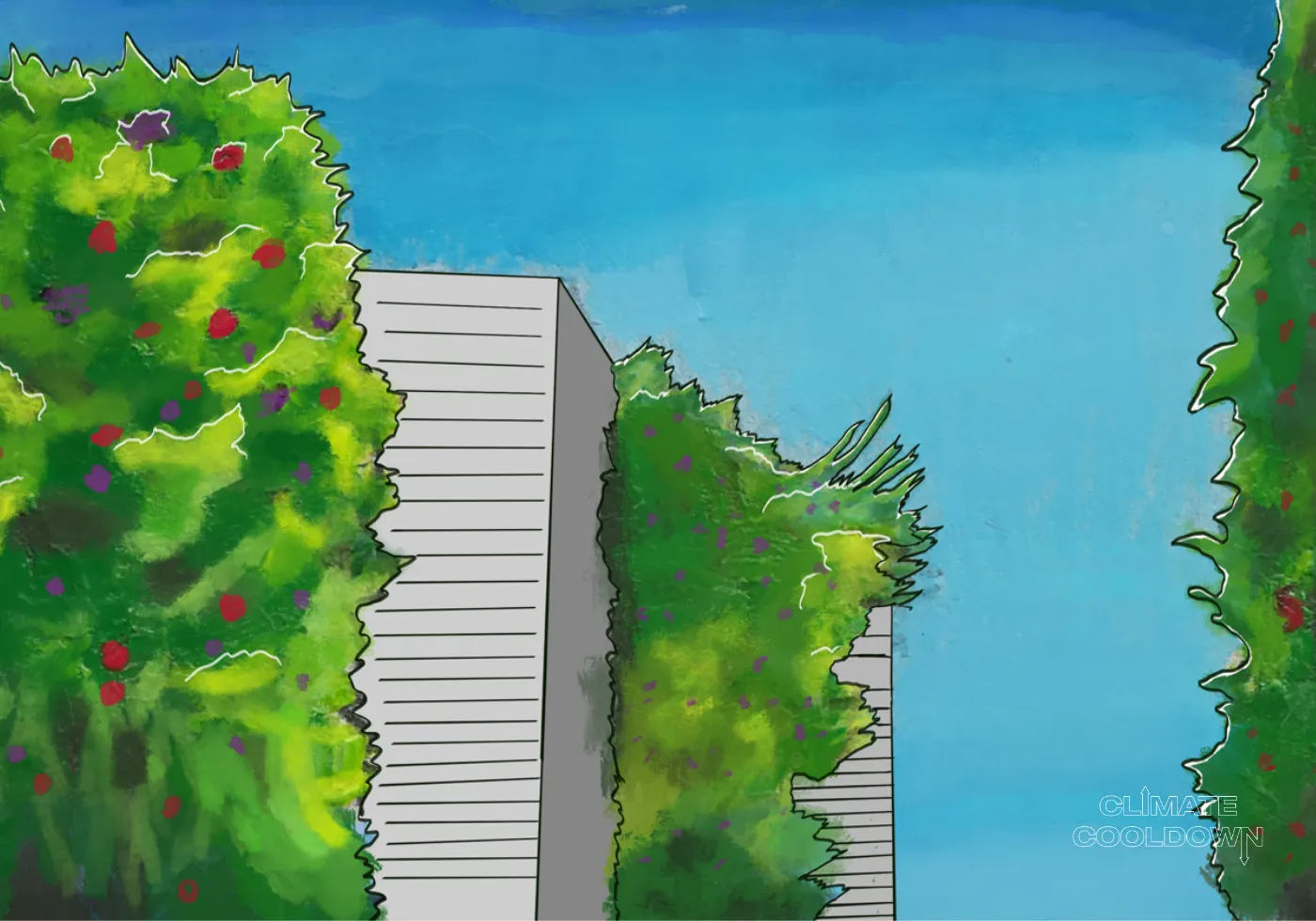
In the game
In the game Climate Cooldown, "Vertical Farming" is a Cooldown card which helps reduce our impact while also providing more food resources sustainably.
Prospective degrees
Agriculture engineeringSustainable agriculture
Careers
Vertical farming system designerUrban agriculture coordinator
For the classroom
Discussion prompts by grade level
- What is vertical farming and how does it work?
- Can you think of any benefits of vertical farming for cities and wildlife?
- Explain the concept of vertical farming and its applications in urban agriculture and food production.
- Discuss the environmental benefits of vertical farming, such as resource efficiency and reduced food miles.
- Examine the technological innovations and agricultural practices associated with vertical farming, including hydroponics, aeroponics, and controlled environment agriculture.
- Evaluate the potential of vertical farming to address food security, urbanization, and climate change adaptation.
- Critically analyze the economic viability and scalability of vertical farming as a sustainable food production system, considering factors such as energy consumption, land use, and market demand.
- Discuss the role of vertical farming in shaping future food systems and its implications for food sovereignty, resilience, and environmental sustainability.
Connects to